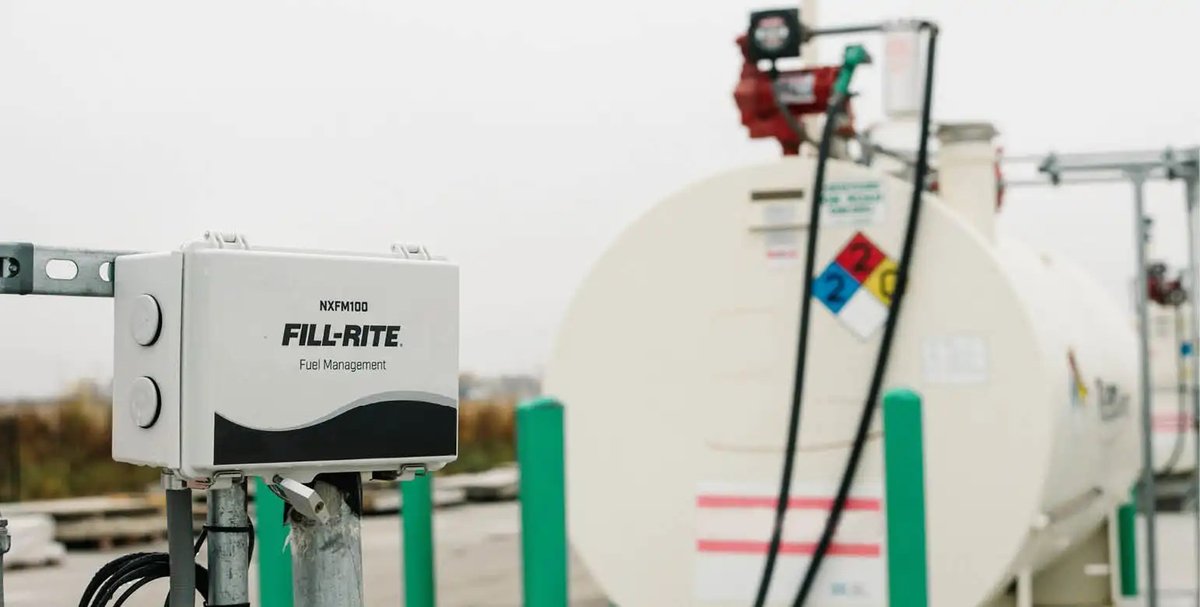
When your operations grind to a halt because of a fuel shortage, a breakdown, or a regulatory non-compliance issue, it's not just an inconvenience—it's a critical hit to your bottom line and reputation. That's why effective Fuel Management & Storage Solutions aren't merely an expense; they're an indispensable investment in operational resilience and efficiency. Without a robust system in place, you’re not just risking downtime; you’re leaving money, safety, and productivity on the table.
This guide dives into the nuts and bolts of managing and storing your fuel effectively, ensuring your power sources are always reliable, compliant, and cost-efficient. From the vast bulk tanks safeguarding your supply to the portable units powering remote work, we'll cover the strategies, technologies, and best practices that keep your engines running smoothly.
At a glance: What you'll learn about Fuel Management & Storage Solutions
- Why secure fuel storage is non-negotiable: Understand the core benefits beyond simply having fuel on hand.
- Types of storage solutions: Explore bulk, on-site, and portable tanks tailored for different operational needs.
- Key factors for choosing the right system: Capacity, fuel type, mobility, installation, and compliance.
- The role of advanced technology: How monitoring and data transform fuel efficiency and security.
- Ensuring safety and compliance: Navigating regulations and best practices to protect your assets and personnel.
- Installation and maintenance essentials: What it takes to set up and keep your fuel infrastructure running for decades.
Beyond the Pump: Why Intelligent Fuel Management Is Your Unseen Advantage
For any operation relying on fuel—be it a sprawling construction site, a bustling transport fleet, an agricultural enterprise, or an essential municipal service—fuel is the lifeblood. But simply having fuel isn't enough. The true advantage comes from managing it intelligently.
Think of it this way: every gallon of fuel represents an asset, a potential source of power. Mismanaging it can lead to losses through theft, spoilage, inefficient usage, or even costly environmental incidents. A proactive approach to fuel management, underpinned by reliable storage solutions, directly translates into:
- Uninterrupted Operations: Minimizing downtime from fuel runs or unexpected shortages.
- Cost Savings: Reducing fuel purchasing frequency, negotiating better bulk rates, and preventing losses.
- Enhanced Safety: Mitigating risks associated with spills, fires, and improper handling.
- Regulatory Compliance: Avoiding hefty fines and legal issues by meeting stringent local, state, and federal standards.
- Environmental Responsibility: Protecting ecosystems from potential contamination.
- Data-Driven Decisions: Gaining insights into consumption patterns to optimize operations and budgets.
In essence, excellent fuel management ensures you have the right fuel, in the right quantity, at the right time, stored in the right way—every single time.
The Foundation: Understanding Fuel Storage Solutions
Your operational needs dictate the type of fuel storage solution that will serve you best. From long-term bulk supply to quick-access on-site tanks and agile portable options, modern solutions offer remarkable flexibility and security. Providers like Sustainable Power Fuels (SPF) and Envirosafe lead the charge in offering robust, reliable systems for diverse industries, ensuring safety and efficiency are never compromised.
1. High-Capacity Bulk Storage: Securing Your Long-Term Supply
When you need a substantial, secure reservoir of fuel for extended periods, high-capacity bulk fuel tanks are the answer. These are often the workhorses for large industrial sites, municipal depots, or facilities requiring significant emergency backup.
Key Features & Benefits:
- Economies of Scale: Buying fuel in bulk typically means lower per-gallon costs.
- Reduced Delivery Frequency: Less disruption from frequent fuel truck visits.
- Enhanced Security: Often situated in secure, controlled environments, making theft or contamination less likely.
- Diverse Capacities: Solutions range from thousands to tens of thousands of gallons, like Envirosafe's capacities of 500 to 30,000 gallons, with common sizes including 1,000, 5,000, 10,000, 15,000, and 20,000 gallons. They can even custom-fabricate tanks to precise requirements.
- Versatile Fuel Compatibility: Modern tanks are designed to safely store a wide array of fuels, including gasoline, diesel, biodiesel, jet fuel, kerosene, waste oil, chemicals, AVGas, ethanol, methanol, biofuels, and biogas. Envirosafe's double-wall steel tanks are used nationwide and worldwide for exactly this purpose.
For secure, long-term storage, these tanks form the backbone of a resilient fuel supply chain.
2. On-Site Fuel Tanks: Direct Access, Reduced Downtime
Imagine a construction crew waiting for a fuel truck, machines idled, workers standing by. That’s lost time and money. On-site fuel tanks eliminate this scenario by providing immediate, direct access to fuel where and when you need it. This is particularly valuable for industries like construction, agriculture, transport, and mining.
Key Features & Benefits:
- Immediate Availability: Fuel up vehicles and machinery right where they operate, drastically reducing travel time and downtime.
- Cost-Efficiency: Bulk purchasing benefits combined with reduced operational delays.
- Variety of Capacities: Available in various sizes to match daily consumption, from hundreds to thousands of gallons. Envirosafe offers budget-friendly E-cubes in 500, 1,000, and 2,000-gallon options, which are incredibly versatile.
- Ease of Installation: Many modern systems, like Envirosafe’s all-in-one above-ground fuel storage tanks and dispensing systems, are delivered as a single unit. This means a crane, an electrician for power, and a fuel delivery can have your system installed in as little as one day. You bolt it to a concrete pad, connect power, and you're ready to go.
- Relocatability: A significant advantage for dynamic sites. Envirosafe's units are fully relocatable due to their structurally sound design, making movement with a crane simple. Their E-cubes even feature bi-directional forklift pockets for continuous site relocation, offering unparalleled flexibility.
- Durability and Longevity: Built for rigorous use, often with double-wall steel construction meeting stringent standards (e.g., Envirosafe's UL 2085 Fireguard tanks, backed by a thirty-year written warranty from the Steel Tank Institute). These double-wall tanks offer superior leak protection and can weigh up to 75% less than comparable concrete-encased models, making them more transportable.
On-site tanks empower greater autonomy and control over your fuel supply, directly enhancing productivity. If you're managing multiple vehicles, you might also be interested in optimizing your overall fleet management strategies for even greater efficiency.
3. Portable Fuel Tanks: Power on the Go
For remote job sites, emergency response, temporary projects, or situations demanding ultimate mobility, portable fuel tanks are indispensable. These units are designed for easy transport and rapid deployment.
Key Features & Benefits:
- Mobility: Equipped for transport, often with forklift pockets or lifting points, allowing them to be moved between locations as needed.
- Rapid Deployment: Quick setup for fueling generators, machinery, or vehicles in temporary or remote areas.
- Emergency Preparedness: Essential for maintaining operations during power outages or natural disasters.
- Compliance: Despite their mobility, reputable portable tanks adhere to the same rigorous safety and environmental standards as their stationary counterparts.
Whether it's powering a remote industrial generator deep in the wilderness or providing backup for a critical facility, portable tanks ensure fuel access is never a limiting factor.
The Backbone of Reliability: Design, Manufacturing & Compliance
Choosing a fuel storage solution isn't just about capacity; it's about trust. The quality of design, fabrication, and adherence to regulations directly impacts the safety, longevity, and overall cost-effectiveness of your investment.
Built to Last: Double-Wall Steel & UL Standards
Industry leaders understand that structural integrity is paramount. That's why materials like double-wall steel are the standard for above-ground tanks. This design provides a secondary containment barrier, significantly reducing the risk of leaks and environmental contamination.
- UL 2085 Fireguard Tanks: A prime example of superior design, these tanks are recognized for their fire resistance and structural integrity. Envirosafe's UL 2085 double-wall tanks are a testament to this, offering robust protection while weighing significantly less than concrete-encased models, simplifying transport and installation.
- Steel Tank Institute (STI) Specifications: Tanks fabricated per STI's stringent specifications ensure quality, consistency, and adherence to industry best practices. Envirosafe's commitment to STI standards underscores their dedication to reliability and safety, backing their products with a 30-year warranty.
Navigating the Regulatory Maze
Fuel storage is a heavily regulated area for good reason. Compliance is non-negotiable, protecting both your business and the environment. Reputable manufacturers ensure their products meet or exceed all relevant local, state, and federal regulations. This includes standards from organizations like Underwriters Laboratories (UL) for safety and performance, and adherence to environmental protection agency guidelines. When sourcing a solution, always verify that the tanks comply with all applicable regulations in your operating jurisdiction. For comprehensive guidance, you might want to look into understanding industrial regulatory compliance.
Integrated Solutions: Beyond the Tank
A fuel tank is only one component of a holistic fuel management system. True efficiency comes from integrating the tank with dispensing, monitoring, and maintenance services.
Professional Installation & Site Assessment
Getting your fuel system up and running correctly is critical. This involves more than just placing a tank. Professional installation services, like those offered by SPF, include:
- Site Assessments: Evaluating your location for optimal placement, accessibility, and safety.
- Compliance Checks: Ensuring the proposed setup meets all local zoning, environmental, and safety regulations.
- System Integration: Connecting the tank to dispensing equipment, monitoring systems, and any existing infrastructure.
- Foundation & Electrical: As seen with Envirosafe’s one-day installation, this includes preparing the concrete pad and having a certified electrician connect power to the pumps and monitoring equipment.
A properly installed system minimizes future issues and ensures peak performance from day one.
Dispensing and Monitoring Systems
Once fuel is stored, how do you get it out efficiently and track its usage? Modern dispensing and monitoring systems are crucial for:
- Accurate Dispensing: Ensuring precise fuel delivery to vehicles and equipment.
- Inventory Tracking: Real-time data on fuel levels, consumption rates, and reorder points. This can be critical for cost control.
- Theft Prevention: Monitoring systems can alert you to unusual fuel withdrawals, helping to deter theft.
- Fuel Quality: Some systems can incorporate filtration and conditioning to maintain fuel quality, especially important for sensitive modern engines.
Integrating these technologies allows for data-driven decisions, helping you optimize inventory and reduce operational costs.
Routine Maintenance & Inspection
A fuel tank isn't a "set it and forget it" asset. Regular maintenance and inspections are vital to ensure long-term reliability and compliance. SPF offers routine services that typically include:
- Visual Inspections: Checking for signs of corrosion, leaks, or structural damage.
- System Checks: Testing pumps, gauges, alarms, and dispensing equipment.
- Filter Replacements: Ensuring clean fuel flow.
- Regulatory Compliance Reviews: Confirming the system still meets all current standards.
A diligent maintenance schedule prolongs the life of your investment, prevents costly breakdowns, and keeps you compliant. This aligns with broader preventative maintenance best practices that are essential for any industrial equipment.
Choosing Your Fuel Management & Storage Solution: Key Decision Factors
With many options available, how do you select the right solution for your specific needs? Here are the critical factors to consider:
- Capacity Requirements:
- How much fuel do you consume daily/weekly/monthly? This dictates the minimum capacity.
- Do you need buffer capacity for emergencies or bulk purchasing advantages? Always factor in a safety margin. Envirosafe's range from 500 to 30,000 gallons (and custom sizes) means there's a fit for almost any scale.
- Fuel Type & Compatibility:
- What types of fuel do you use? Gasoline, diesel, biodiesel, jet fuel, waste oil, specific chemicals?
- Do you need to store multiple fuel types? Some tanks can be manufactured with split designs to accommodate two different products, as Envirosafe offers. Always ensure your tank is certified for the specific fuels you intend to store.
- Location & Mobility:
- Is the tank stationary, or does it need to move? For dynamic job sites, a relocatable solution like Envirosafe's E-cubes with forklift pockets offers immense value.
- Above-ground vs. Below-ground: While below-ground tanks have advantages, above-ground solutions are generally more cost-effective to install, easier to inspect, and often preferred for their relocatability and fire safety features (e.g., UL 2085).
- Installation & Site Preparation:
- What are your site's physical constraints? Space, access for cranes, proximity to power sources.
- What are local permitting requirements? Work with providers who offer professional installation and compliance checks, like SPF. The speed of installation (e.g., Envirosafe's one-day setup) can be a significant factor.
- Budget & Financing:
- What's your initial investment capacity? Consider not just the tank cost, but installation, dispensing equipment, and monitoring systems.
- Are financing options available? Many providers, including Envirosafe, offer no-money-down financing options, making robust solutions more accessible.
- Safety & Environmental Impact:
- What are the fire safety ratings of the tanks? Double-wall and UL 2085 certified tanks offer superior protection.
- What spill containment measures are integrated? Secondary containment is essential.
- What are the environmental regulations in your area? Ensure your chosen solution complies fully.
- Manufacturer Reputation & Warranty:
- How long has the manufacturer been in business? Experience, like Envirosafe's 25+ years, often correlates with quality and reliability.
- What warranties are offered? A 30-year warranty from the Steel Tank Institute is a strong indicator of product confidence.
By carefully evaluating these factors, you can select a fuel management and storage solution that not only meets your current needs but also provides long-term value and peace of mind. You may also need to consider selecting the right fuel pumps and accessories for your system.
Common Questions About Fuel Storage Solutions
Navigating the world of fuel storage can raise several questions. Here are answers to some of the most frequent ones:
Q: Are above-ground fuel tanks safe?
A: Absolutely. Modern above-ground tanks, especially those with double-wall construction like UL 2085 Fireguard tanks, are designed with advanced safety features that often make them safer and easier to maintain than below-ground options. They are easier to inspect for leaks and corrosion, and the secondary containment is readily visible. They meet rigorous federal, state, and local safety standards.
Q: What is the benefit of a double-wall tank?
A: A double-wall tank provides an inner primary tank and an outer secondary containment tank, separated by an interstitial space. This design offers a critical layer of protection: if the primary tank leaks, the secondary tank contains the fuel, preventing environmental contamination. It's a key safety and environmental safeguard that significantly reduces risk.
Q: How often should fuel tanks be inspected?
A: The frequency of inspections depends on regulations, tank type, and usage. However, generally, tanks should undergo routine visual inspections weekly or monthly by operational staff, with more thorough professional inspections conducted annually or bi-annually. Regular maintenance, as offered by providers like SPF, is crucial to catch potential issues early.
Q: Can I store different types of fuel in the same tank?
A: Generally, no, unless the tank is specifically designed for it. Mixing fuel types can lead to contamination, damage to equipment, or safety hazards. However, some manufacturers, such as Envirosafe, offer tanks with "split" designs, which are essentially two or more separate compartments within a single tank unit, allowing for the safe storage of different fuel products.
Q: What about environmental concerns and spill prevention?
A: Environmental protection is a top priority. All compliant fuel storage solutions incorporate spill prevention measures, such as secondary containment (like double-wall tanks), overfill protection, and spill buckets. Additionally, proper training for personnel and well-defined spill response plans are critical components of environmental responsibility. When looking into your broader operational footprint, you might also consider exploring broader sustainable energy solutions beyond just fuel.
The Future of Fuel Management: Smarter, Cleaner, More Efficient
The landscape of fuel management is continuously evolving. As technology advances and environmental consciousness grows, we're seeing trends towards:
- Smarter Monitoring: Integration with IoT (Internet of Things) devices for real-time data, predictive maintenance, and remote management.
- Increased Automation: Automated dispensing, inventory management, and reconciliation reduce human error and boost efficiency.
- Alternative Fuels: While traditional fuels remain dominant, storage solutions for biofuels, hydrogen, and other emerging energy sources are becoming more prevalent.
- Enhanced Security: Advanced access control and surveillance systems to protect valuable fuel assets.
Staying abreast of these innovations ensures your fuel management strategy remains robust and future-proof.
Taking the Next Step Towards Optimized Fuel Operations
Implementing or upgrading your Fuel Management & Storage Solutions is a significant undertaking, but one that pays dividends in safety, efficiency, and cost savings. The right partner can make all the difference, guiding you through the complexities of selection, installation, and ongoing maintenance.
Whether you need high-capacity bulk storage for a large industrial complex, an agile on-site solution for a dynamic construction project, or portable tanks for remote work, look for providers who prioritize:
- Safety & Compliance: Ensuring all solutions meet or exceed regulatory standards (UL, STI, local, state, federal).
- Reliability & Durability: Offering tanks built with high-quality materials like double-wall steel and backed by substantial warranties.
- Customization: Providing a range of capacities, split designs, and tailored features to meet unique needs.
- Comprehensive Services: From site assessment and professional installation to routine maintenance and inspection.
- Experience & Expertise: Partnering with companies that have a proven track record across diverse industries, like Envirosafe with over 25 years of service to sectors from automotive to aviation.
Don't let outdated or inefficient fuel management systems hold your operations back. Invest in solutions that power your productivity, protect your assets, and secure your future. The journey to safer, more efficient operations begins with a single, well-informed decision about your fuel.