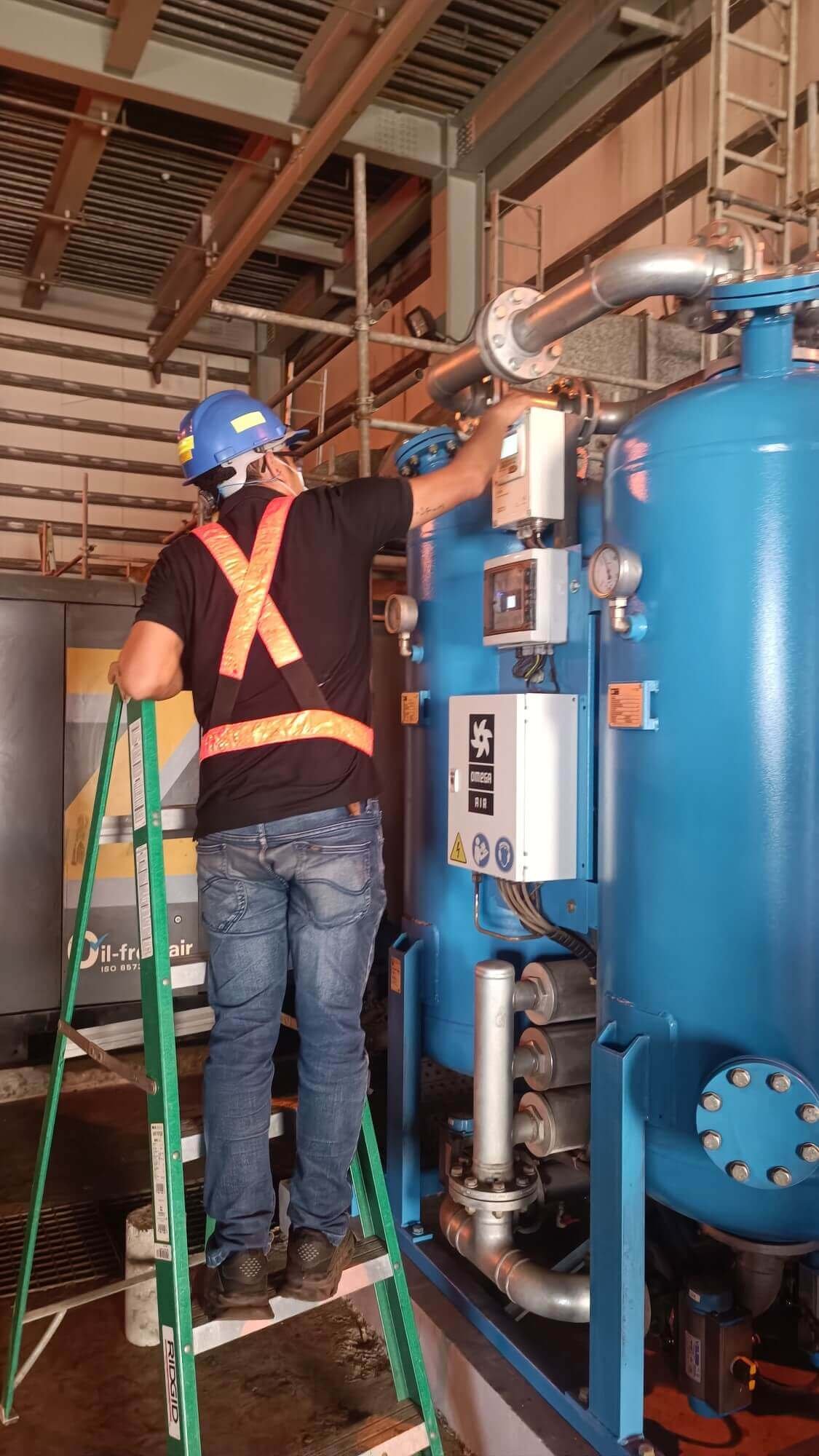
The hum of healthy machinery is a symphony of productivity. But a sudden stutter, a warning light, or an unexpected halt? That's the jarring chord of unplanned downtime, and it's a tune no operation wants to hear. This isn't just about fixing what's broken; it's about a strategic approach to Maintenance, Servicing & Troubleshooting that keeps your equipment running reliably, efficiently, and safely. Ignoring these vital practices can turn a minor glitch into a catastrophic failure, costing you far more than just time.
Unplanned downtime, for instance, costs organizations an average of $25,000 per hour. And while many teams are getting better at managing incidents (74% report stabilizing or reducing them), the 2025 report warns that the cost of each event is still rising for 31% of operations. This isn't just about big machines; it's about every component, every process, and every minute lost.
At a Glance: Your Roadmap to Reliable Operations
- Maintenance vs. Servicing: Understand the distinct roles of routine prevention versus comprehensive, specialized care.
- The High Cost of Inaction: See why proactive care isn't just a good idea, it's a financial imperative.
- The 5-Step Troubleshooting Process: Master a systematic approach to identifying and resolving equipment issues.
- Decoding Warning Signs: Learn to recognize common mechanical, electrical, and operational problems before they escalate.
- Preventing Recurring Headaches: Implement strategies like PM programs and root cause analysis to stop problems from coming back.
- Leveraging Technology: Discover how CMMS platforms and data can transform your maintenance strategy.
Maintenance vs. Servicing: Distinguishing the Essentials
While often used interchangeably, "maintenance" and "servicing" represent distinct, yet equally crucial, facets of equipment care. Understanding the difference empowers you to apply the right intervention at the right time.
Maintenance: The Daily Grind for Longevity
Think of maintenance as your regular health check-ups. It involves the routine, often smaller tasks designed to prevent breakdowns, extend equipment life, and ensure consistent operation.
- Nature: Primarily preventative and regular. This could be daily visual checks, weekly lubrication, or monthly filter cleanings.
- Scope: Focuses on routine inspections, adjustments, minor repairs, and cleaning. Its goal is to catch potential issues early.
- Performed by: Often in-house staff, equipment operators, or dedicated maintenance teams with general skills.
- Cost: Generally lower per instance due to its routine nature and less specialized requirements.
Servicing: The Specialist's Touch for Peak Performance
Servicing, on the other hand, is a more comprehensive and in-depth intervention. It addresses specific issues, restores peak performance, or handles major overhauls. - Nature: Can be reactive (fixing a specific failure) or performed at specific, longer intervals (e.g., annually, after a certain number of operating hours).
- Scope: Involves detailed inspections, significant repairs, component replacements, calibration, and performance testing. It might require disassembling parts of the equipment.
- Performed by: Requires specialized skills, often from certified technicians, external contractors, or highly trained internal experts.
- Cost: Typically higher per instance due to the complexity, specialized labor, and parts involved, but it prevents major breakdowns that would be far costlier.
Both maintenance and servicing are integral to a robust asset management strategy. Maintenance keeps things ticking over, while servicing ensures critical components are operating correctly and issues are thoroughly addressed, often averting the very major breakdowns that maintenance aims to prevent.
The High Cost of Doing Nothing: Why Proactive Care Pays Off
When equipment fails, it's never just the cost of repair. The ripple effect can be devastating.
Consider the grim reality: unplanned downtime costs organizations an average of $25,000 per hour. This isn't just a number; it's lost production, missed deadlines, damaged customer relationships, and eroded profits. The 2025 report highlights that while teams are getting better at reducing the frequency of downtime incidents, the costs associated with those incidents are actually increasing for a significant portion of businesses (31%). This underscores the urgent need for a proactive approach.
Beyond the immediate financial hit, neglecting Maintenance, Servicing & Troubleshooting carries other severe implications:
- Safety Risks: Malfunctioning equipment is inherently dangerous. A simple electrical fault can lead to fires, and mechanical failures can cause serious injury or worse. Effective troubleshooting enhances safety by addressing root issues before they escalate into hazards.
- Reduced Efficiency & Quality: Equipment limping along isn't just slow; it's often producing substandard output. This impacts product quality, increases waste, and lowers overall operational efficiency.
- Accelerated Depreciation: Lack of care grinds down your assets faster. Components wear out prematurely, leading to a shorter lifespan for expensive machinery and higher capital expenditure over time.
- Loss of Trust & Reputation: Consistent breakdowns disrupt supply chains and disappoint customers. In today's interconnected world, reputation can be fragile, and reliability is a cornerstone of trust.
- Hidden Costs: The true cost of failure extends to overtime for emergency repairs, expedited shipping for replacement parts, contractual penalties, and the administrative burden of managing the crisis.
Investing in robust maintenance, timely servicing, and expert troubleshooting isn't an expense; it's an investment in your operation's resilience, profitability, and future. It's the difference between a minor fix (like a $5 fuse) and replacing an entire motor.
Mastering Troubleshooting: Your Systematic Guide to Restoring Order
When a machine falters, panic is often the first reaction. But effective troubleshooting isn't about guesswork; it's a systematic, logical process. By following these five steps, you can swiftly identify problems, implement correct fixes, and minimize costly downtime.
Step 1: Pinpointing the Problem – What's Really Going On?
The first and most critical step is to accurately identify the problem. Don't jump to conclusions. Gather objective data.
- Talk to the Operator: They are often the first to notice an issue. Ask specific questions:
- What exactly happened or changed? (e.g., "The machine stopped," "It's making a grinding noise," "Error light E07 came on.")
- When did it start? Was it gradual or sudden?
- What was the machine doing when the problem occurred? (e.g., "Under heavy load," "During startup," "After a specific cycle.")
- Were there any recent changes to settings, materials, or operations?
- Observe the Equipment: Engage your senses and look for clues:
- Warning Lights/Error Codes: Check control panels. An error code like E07, for example, might immediately point to "low air pressure."
- Unusual Sounds: Grinding, squealing, knocking, hissing, buzzing.
- Vibrations: Excessive shaking, rattling, or instability.
- Smells: Burning, ozone, chemical odors.
- Visible Damage: Cracks, dents, frayed wires, leaks, loose components.
- Abnormal Temperatures/Pressures: Hot spots, low pressure readings.
- Document Initial Observations: Jot down everything you see, hear, and are told. This initial data is invaluable. A CMMS (Computerized Maintenance Management System) like MaintainX can be a great place to start by logging a new work order and referencing asset history.
Step 2: Gathering Your Diagnostic Arsenal – Information is Power
Once you have a clear problem statement, it's time to arm yourself with relevant information.
- Consult Technical Documentation:
- Equipment Manuals: Often contain dedicated troubleshooting flowcharts and error code definitions.
- Schematics & Diagrams: Electrical, hydraulic, pneumatic diagrams are crucial for understanding system logic.
- Parts Lists: For identifying components and sourcing replacements.
- Review Maintenance History: Your CMMS is a goldmine. Look for:
- Recent Work Orders: Was any work done just before the problem started?
- Recurring Issues: Has this problem happened before? What was the fix?
- Scheduled PMs: Were any critical preventive tasks missed?
- Collect Operational Data: Modern equipment generates a wealth of data.
- Vibration Analysis Reports: Indicate issues with bearings, alignment, or imbalance.
- Oil Analysis: Reveals contamination or wear in lubrication systems.
- Temperature Logs: Pinpoint overheating components.
- Multimeter Readings: For electrical voltage, current, and resistance.
- Thermal Imaging Reports: Show hot spots invisible to the naked eye.
- IoT Sensor Data: Real-time performance metrics that can highlight deviations.
CMMS platforms are excellent for centralizing this historical and real-time data, making it readily accessible for diagnosis.
Step 3: Isolating the True Culprit – The Art of Elimination
With information in hand, begin systematically narrowing down the root cause. This is where your problem-solving skills shine.
- Start Simple: Always begin with the easiest and most obvious possibilities. Is the power on? Is the emergency stop engaged? Are control switches in the correct position? Are safety interlocks active?
- Process of Elimination:
- Test each potential cause methodically. If A works, move to B. If B doesn't, you've found a likely suspect or a critical path to follow.
- Break complex systems into smaller, manageable sections. For a hydraulic press, for example, first test the pump pressure, then the relief valve, then check for internal leaks in cylinders, then move to the control valve. This segment-by-segment approach makes diagnosis manageable.
- Utilize Diagnostic Tools:
- Multimeters: Essential for checking voltage, continuity, and resistance in electrical circuits.
- Pressure Gauges: For hydraulic or pneumatic systems.
- Vibration Analyzers: To diagnose issues in rotating equipment.
- Thermal Cameras: To detect hotspots indicating electrical issues, friction, or bearing failures.
- Ultrasonic Detectors: Can identify leaks (air, gas, vacuum) and early bearing wear.
- Document Findings: At each step, note down what you tested, the results, and why you moved to the next step. This prevents retracing steps and helps future troubleshooting.
Step 4: Testing Solutions, Not Guessing – The Scientific Method in Action
Once you have a strong hypothesis about the root cause, it's time to test a solution.
- One Change at a Time: Crucially, implement only one change or fix at a time. This allows you to definitively know if that specific action resolved the problem. If you make multiple changes, you won't know which one was effective (or ineffective).
- Start with the Easiest Fix: Prioritize the simplest, least invasive, and lowest-cost solution first. For example, try cleaning a relief valve before deciding to replace an entire pump.
- Verify Results: After each change, run the equipment (if safe to do so) and monitor the original symptoms. Did the warning light turn off? Is the noise gone? Has the pressure stabilized?
- Keep Detailed Notes: Log your attempted solutions and their outcomes. Your CMMS can provide access to previous, similar solutions and help you learn from past experiences.
Step 5: Fixing It Right & Confirming Success – The Final Proof
You've identified, isolated, and tested. Now, it's time for the definitive repair and verification.
- Complete the Repair Thoroughly: Don't just patch it up. Ensure all components are properly installed, tightened, and configured according to manufacturer specifications.
- Verify Full Operation:
- Run the equipment through a complete operational cycle.
- Test it under normal load and operating conditions.
- If applicable, perform calibration checks.
- Involve the Operator: Have the operator who reported the issue confirm that the machine is running as it should. Their insights are invaluable for final confirmation.
- Document Everything in Your CMMS: This is non-negotiable for continuous improvement:
- Problem Description: What was observed?
- Root Cause: What was the actual underlying issue?
- Actions Taken: What steps did you perform to fix it? List parts used.
- Solution Confirmation: How was it verified?
- Follow-up Needed: Are there any preventive actions or further inspections required?
- Plan Preventive Actions: Based on the repair, consider if adjustments to your Preventive Maintenance (PM) schedule are needed. For example, if a filter was clogged and caused the issue, schedule more frequent filter changes in the future.
This systematic approach minimizes guesswork, reduces downtime, and ensures that when a problem is fixed, it stays fixed.
Decoding Common Equipment Issues: Warning Signs You Can't Ignore
Equipment rarely fails without sending signals first. Learning to recognize these common warning signs is your first line of defense against major breakdowns.
Mechanical Mayhem: Vibrations, Leaks, and Wear
Mechanical issues are often the most visibly or audibly apparent.
- Abnormal Vibration or Noise: This is a red flag for rotating equipment.
- Causes: Misalignment (shafts, pulleys), worn bearings, loose mounting bolts, rotor imbalance, bent shafts, gear wear.
- Warning Signs: Grinding, squealing, knocking, rattling, excessive shaking, resonant hums.
- Action: Regular visual inspections are critical. Use a vibration analyzer to pinpoint the source. Document findings in your CMMS for trending.
- Fluid Leaks: Any fluid outside its system is a problem.
- Causes: Failed seals, cracked housings, loose fittings, overpressure, worn hoses.
- Warning Signs: Puddles, drips, oily residue, discolored areas, low fluid levels in reservoirs.
- Action: Immediately identify the fluid and its source. A small leak can quickly become a large, damaging one.
- Excessive Heat: While some heat is normal, excessive localized heat indicates a problem.
- Causes: Insufficient lubrication, overloading, brake drag, bearing failure, electrical resistance, restricted airflow.
- Warning Signs: Hot spots detectable by touch (carefully!) or thermal camera, burning smells.
- Action: Check lubrication, verify load, inspect cooling systems.
- Visible Wear: Components degrade over time, but accelerated wear points to underlying issues.
- Causes: End-of-life components, improper installation, contamination, abrasive environments, lack of lubrication.
- Warning Signs: Scored surfaces, pitting, deformation, cracks, material loss, excessive backlash in gears.
- Action: Plan for replacement during scheduled downtime, but also investigate why the wear occurred prematurely.
Electrical Enigmas: Power, Connections, and Control Logic
Electrical problems can be complex and dangerous, often leading to sudden, complete shutdowns. Always follow strict lockout/tagout (LOTO) procedures before working on electrical systems.
- Power Supply Issues: The most basic but often overlooked.
- Checks: Systematically check circuit breakers, voltage at the source, fuses, disconnects, and overcurrent protection devices.
- Warning Signs: No power, intermittent power, dimming lights, motor hums without turning.
- Faulty Connections: A common source of electrical trouble.
- Checks: Inspect connections for looseness, corrosion, burning (discoloration), or frayed insulation.
- Warning Signs: Localized heat, flickering lights, intermittent operation, "ghost" problems.
- Component Failures: Individual electrical components can fail.
- Tests: Use multimeters to test sensor outputs, relay coil resistance, motor winding continuity, and control voltage levels.
- Warning Signs: Component not activating, incorrect readings, no output.
- Control Logic Issues: Problems within the PLC or control system.
- Review: Check PLC error logs, look for recent program alterations, verify I/O (Input/Output) signals. Consider electromagnetic interference (EMI) as a potential cause for erratic behavior.
- Warning Signs: Machine operating erratically, incorrect sequence of operations, uncommanded actions.
Operational Obstacles: Beyond the Machine Itself
Sometimes, the machine isn't the primary problem; human interaction or systemic issues are.
- Incorrect Machine Settings: Improperly configured parameters.
- Causes: Operator error, lack of training, uncalibrated sensors.
- Warning Signs: Product defects, inefficient operation, unexpected shutdowns.
- Missed Preventive Tasks: The cumulative effect of deferred maintenance.
- Causes: Poor planning, lack of resources, oversight.
- Warning Signs: Gradual decline in performance, increased frequency of minor issues, accelerated wear.
- Improper Startup/Shutdown Routines: Deviating from Standard Operating Procedures (SOPs).
- Causes: Rushing, lack of training, misunderstanding procedures.
- Warning Signs: Equipment damage during transitions, premature component failure.
- Systemic Risks: Broader organizational or cultural issues.
- Causes: Lack of operator reporting culture, poor communication between shifts/departments, inadequate training, pushing equipment beyond design limits.
- Action: Observe equipment operation and review CMMS data for patterns linked to specific shifts or operators. Addressing these involves strengthening SOPs, conducting regular training, and implementing CMMS-based systems for operators to flag concerns easily.
Your Go-To Troubleshooting Checklist: Tools and Techniques for Quick Resolution
When a problem strikes, a methodical checklist can be your best friend. It ensures you don't overlook critical steps and helps you get to the root cause faster.
1. Start with Visual Inspections
Your eyes and ears are powerful diagnostic tools.
- Leaks: Check for oil, coolant, hydraulic fluid, air, or water leaks around seals, fittings, and hoses.
- Loose/Damaged Parts: Inspect for loose bolts, nuts, connections, frayed belts, cracked components, or worn-out parts.
- Abnormal Wire Conditions: Look for scorched insulation, exposed wires, bent pins, or loose terminals.
- Wear Indicators: Many components have visual wear indicators (e.g., brake pads, chain tensioners).
- Control Panel Status: Immediately note any error codes, warning lights, unusual gauge readings (pressure, temperature, flow), or status messages.
- Environmental Factors: Is the area unusually hot, dusty, wet, or experiencing excessive vibration from nearby equipment?
2. Leverage Diagnostic Tools
These specialized tools provide data beyond what your senses can perceive.
- Multimeter: Essential for electrical checks—voltage, current (with clamp attachment), resistance, and continuity.
- Vibration Analyzer: For rotating equipment, identifies imbalances, misalignment, bearing faults, and looseness.
- Infrared Thermometer/Thermal Camera: Quickly identifies hot spots in electrical components, bearings, motors, and fluid systems.
- Pressure Gauges: Crucial for hydraulic and pneumatic systems to verify correct operating pressures.
- Ultrasonic Detector: Detects air/gas leaks, electrical arcing, and early-stage bearing degradation by listening for high-frequency sounds.
- Built-in Diagnostics: Many modern machines have onboard diagnostic screens or software that can provide valuable error codes and system status.
3. Consult Maintenance Logs and History (Your CMMS is Key)
Past problems often hold clues to current ones.
- Search Your CMMS: Look for similar issues or work orders related to this specific asset. What solutions were implemented then?
- Review Recent Work: Has any maintenance or modification been performed on or near the affected system recently?
- Analyze Failure Patterns: Does this problem tend to occur after a specific number of operating hours, a particular operation, or only on certain shifts?
- Consult Experienced Technicians: Tap into the institutional knowledge of your team. Someone might have encountered this specific issue before.
- Document All Findings: Every observation, every test result, every hypothesis, and every action taken should be recorded in your CMMS. This builds a robust knowledge base for future troubleshooting and trend analysis.
Stopping the Cycle: Preventing Recurring Problems for Long-Term Reliability
The ultimate goal isn't just to fix a problem, but to prevent it from ever happening again. This requires moving beyond reactive fixes to proactive strategies that address the root causes of failure.
Building Robust Preventive Maintenance (PM) Programs
PM isn't a "nice-to-have"; it's foundational to long-term reliability.
- Analyze Failure Data: Use your CMMS reports to identify equipment with high failure rates or costly breakdowns. This data helps you prioritize where to focus your PM efforts.
- Create Task Schedules: Develop detailed PM schedules based on:
- Manufacturer Recommendations: The baseline for optimal performance and warranty compliance.
- Historical Failure Rates: Adjust frequencies based on how often parts actually fail in your specific operating environment.
- Operating Conditions: Harsh environments (dusty, humid, extreme temperatures) might require more frequent PM.
- Criticality: More critical equipment demands more rigorous PM.
- Leverage CMMS Automation: Use your CMMS to automatically generate recurring work orders with detailed, step-by-step instructions. Track completion rates and compliance to ensure tasks are being performed consistently.
- Monitor PM Effectiveness: Regularly review if your PM program is actually reducing breakdowns. Adjust frequencies or tasks as needed. If an issue keeps recurring despite PM, you might need to re-evaluate the PM task itself or look deeper for a root cause.
Unearthing Root Causes with Precision
A quick fix is often a temporary solution. True reliability comes from addressing the why.
- Structured Problem-Solving Methods:
- The 5 Whys: A simple yet powerful technique. Keep asking "Why?" until you get to the core issue.
- Example: Pump failed. Why? Contaminated fluid. Why? Filter wasn't changed. Why? No PM schedule for filter. Why? It wasn't deemed critical. Solution: Add quarterly filter changes to PM schedule and update criticality assessment.
- Fishbone Diagrams (Ishikawa Diagrams): Visually maps out potential causes (Man, Machine, Material, Method, Measurement, Environment) leading to an effect.
- Failure Mode and Effects Analysis (FMEA): Proactively identifies potential failure modes within a system, their causes, and their effects, allowing for preventive measures.
- Implement Permanent Fixes: Once the root cause is identified, implement a lasting solution. This might involve:
- Updating standard operating procedures (SOPs).
- Providing additional training for operators or technicians.
- Sourcing better quality or more durable replacement parts.
- Modifying equipment design or operating parameters.
- Explore industrial generator solutions and similar heavy machinery benefit immensely from this deep-dive approach, ensuring their robust design is matched by equally robust care.
Fostering a Culture of Collaboration & Knowledge
Maintenance isn't a solitary endeavor; it's a team sport.
- Teamwork and Knowledge Sharing:
- Problem-Solving Huddles: Regular meetings to discuss recurring issues, share successes, and collectively brainstorm solutions.
- Mentoring Programs: Pair experienced technicians with newer ones to transfer invaluable tribal knowledge.
- Success Stories: Celebrate effective troubleshooting and maintenance wins to reinforce best practices.
- Build Knowledge Repositories:
- CMMS Notes: Encourage detailed notes, photos, and videos within work orders. This builds an accessible history for every asset.
- Equipment-Specific Troubleshooting Guides: Develop internal guides tailored to your specific machines, complementing manufacturer manuals.
- Improve Communication:
- Clear Escalation Procedures: Ensure everyone knows when and how to escalate an issue.
- CMMS Messaging: Utilize internal messaging features in your CMMS for seamless handoffs between shifts or departments.
- Standardized Terminology: Use consistent language to describe problems, causes, and solutions to avoid misunderstandings.
The Future of Uptime: Embracing Smart Maintenance
The world of Maintenance, Servicing & Troubleshooting is constantly evolving. The integration of technology is transforming how we approach reliability. Modern CMMS platforms are at the heart of this shift, providing centralized data, automating workflows, and enabling predictive analytics.
By combining the systematic troubleshooting techniques outlined here with the power of data from IoT sensors, AI-driven predictive maintenance, and robust asset management systems, organizations can move beyond merely reacting to failures. They can anticipate them, prevent them, and ensure their operations run with unprecedented reliability and efficiency. The goal isn't just to keep machines running, but to optimize their performance, extend their lifespan, and ultimately, drive greater profitability and sustainability.
Your Next Move Towards Uninterrupted Operations
Don't wait for the next breakdown to act. Start by evaluating your current maintenance practices. Are you distinguishing between maintenance and servicing? Do you have a systematic troubleshooting process in place? Are you leveraging a CMMS to track data and prevent recurring issues?
The path to truly reliable operations begins with a commitment to proactive care and continuous improvement. Embrace these techniques, empower your team with the right tools and knowledge, and transform unexpected downtime into a distant memory. Your bottom line, your team's safety, and your operational peace of mind depend on it.